One team, several continents: start from the map of participants
A fully remote company often has people in the United States and Canada, Brazil and Argentina, Japan, Thailand or Vietnam, and the Emirates. Before choosing a city, list who is flying from where, with each person's passport and travel constraints.
This is not just admin. GitLab, which brings its people together from all over the world, says in its public account that ease of obtaining visas and transport cost are among the criteria for choosing the host city of its major event. A smaller team can apply the same logic: the best place is the one most people can reach without complications.
This map also gives you what you need to decide the length of the stay, the number of cities and each person's arrival day.
Madrid and Barcelona: two hubs, two approaches
Spain has several international airports run by Aena; for a long-haul group, Madrid-Barajas (MAD) and Barcelona-El Prat (BCN) are the two most natural entry points.
- Madrid is central: you can hold a seminar in the capital or nearby (Chinchón, Toledo), then continue to Seville.
- Barcelona opens onto Catalonia, Montserrat and the Penedès, and combines with Mallorca or Valencia for a more coastal programme.
Our long-haul programmes are built around these two gateways: a four-day seminar in Madrid, a four-day incentive in Barcelona, a five-day convention in Madrid and Seville, a five-day incentive in Barcelona and Mallorca, a six-day incentive in Madrid, Seville and Marbella, and a six-day seminar in Barcelona and Valencia.
Choose the arrival hub according to where most participants fly from, then we organise the transfers, including for people who join through another gateway.
Time zones and staggered arrivals
Mainland Spain is on Central European Time: UTC+1 in winter and UTC+2 in summer. The Americas are behind Spain; Asia and the Gulf are ahead. The gaps vary through the year because countries do not change clocks on the same dates: calculate them for your exact dates rather than remembering a single figure.
Three habits make life easier for far-flung groups.
- Arrive the day before. Zapier brings the organising team and international travellers in a day early. Basecamp has most people arrive on Sunday to start on Monday. Do the same: a day's margin avoids opening the gathering with exhausted people.
- Arrivals in waves. Group flights by hub and time slot, then plan shared transfers. A simple welcome, with one identifiable person per wave, matters more than any gift.
- A light first day. Put demanding plenary sessions on day two. The first day can combine a visit, a long lunch and an early dinner.
For workshops that include colleagues who stayed home, remember that part of the team will be offset from local time.
Four, five or six days: how long should it be
For a long-haul trip, a stay that is too short wastes the effort. Here are our reference points, to adjust to your calendar.
- 4 days: one city. Ideal for a seminar in Madrid or an incentive in Barcelona, with arrival the day before and two days of work or activities.
- 5 days: two cities, or one city plus an excursion. Madrid and Seville for a convention, or Barcelona and Mallorca for an incentive.
- 6 days: a full route. Madrid, Seville and Marbella, or Barcelona and Valencia, with time to work without rushing.
The companies we cite in this series meet for about a week: Basecamp from Sunday to Friday, GitLab over a week, Zapier for four full days plus two travel days. The number of useful days matters more than the total: count travel separately.
Entry formalities: pointing to official sources
Spain is part of the Schengen area. The general EU rule for short stays is a maximum of 90 days in any 180-day period for nationals of countries that EU law exempts from the visa requirement. Regulation (EU) 2018/1806 contains two annexes: one lists the countries whose nationals need a visa, the other those whose nationals are exempt.
We therefore state no country-by-country rule in this article: each participant's situation depends on their passport, purpose of travel and travel date. Ask everyone to check their own situation on official EU sources (the Council of the EU, the European Commission, the Spanish Ministry of Foreign Affairs).
Two systems deserve close attention in 2026:
- the Entry/Exit System (EES), which digitally records the facial image, fingerprints and travel-document data of non-EU nationals on short stays; its rollout began in October 2025 and full operation at the Schengen external borders is announced for 10 April 2026. Allow a little extra time at border control.
- ETIAS, an online travel authorisation for visa-exempt travellers: the official EU website announces a start in the last quarter of 2026, with a date given several months beforehand.
Solara DMC can provide your HR teams with the programme and accommodation details they ask for, but we do not replace the competent authorities.
What we coordinate on the ground
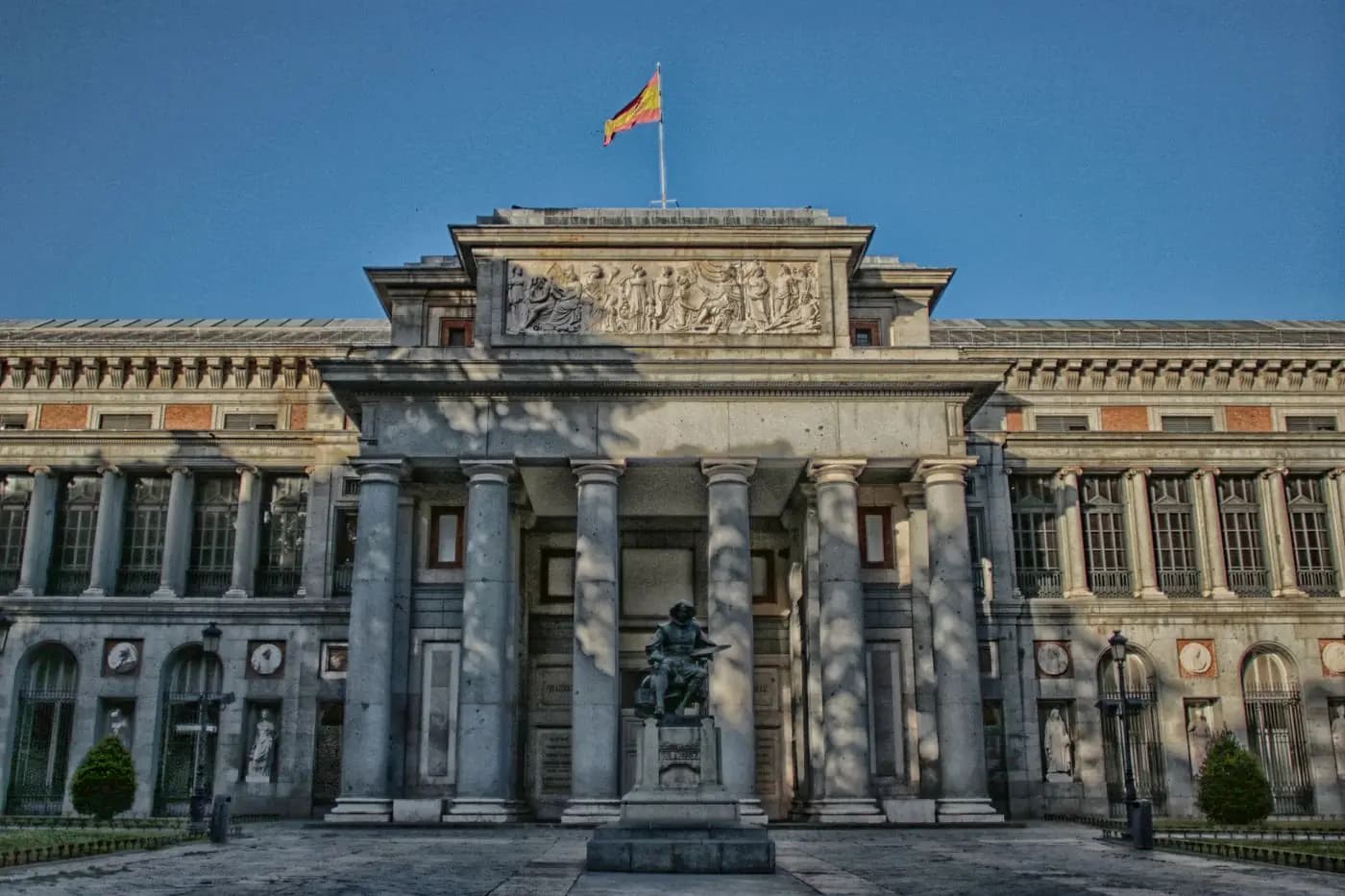
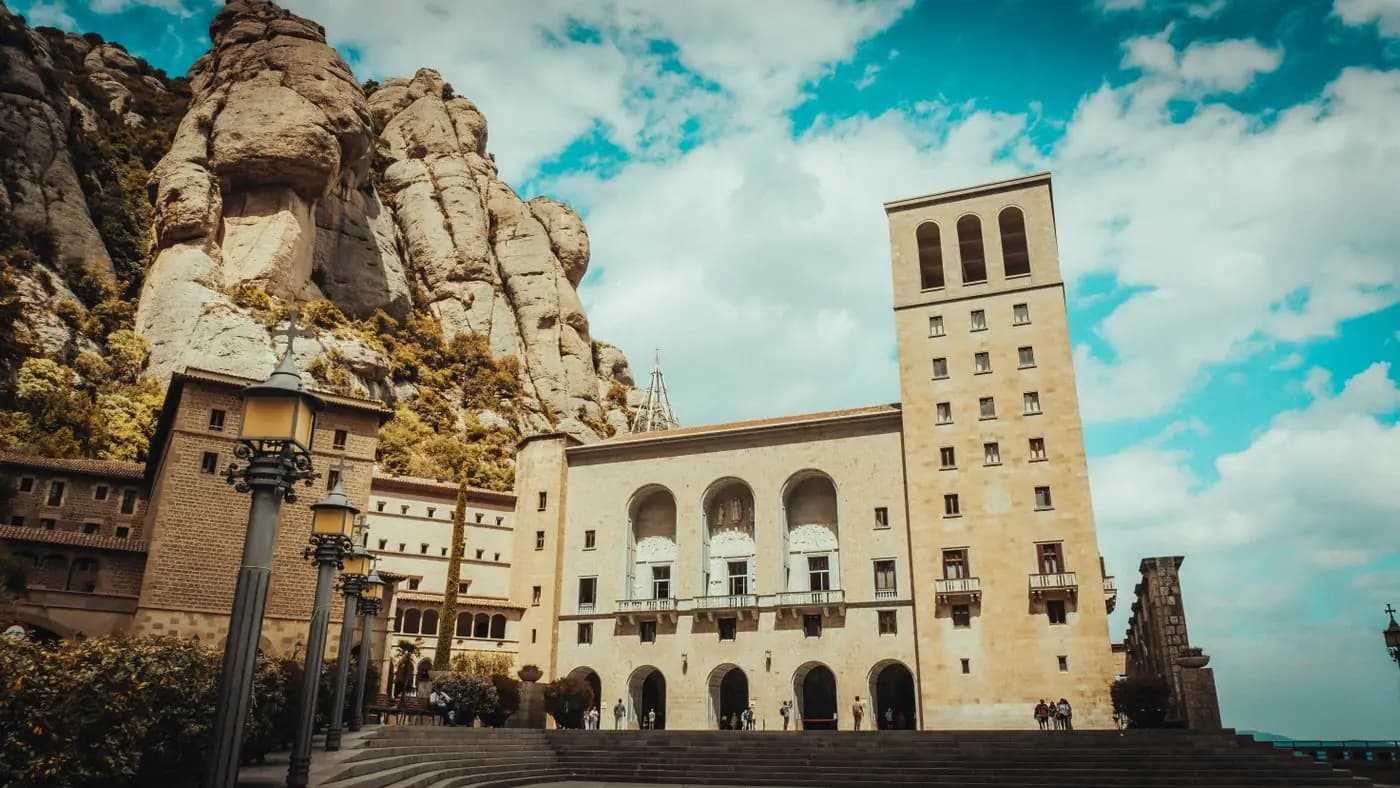
Once the date and hub are chosen, the practical work begins: airport transfers in waves, hotels and working rooms, restaurants, activities that work for people still tired from travel (a private visit to the Prado, a cooking class, a day trip to Toledo or Montserrat), and a plan B if a flight is delayed.
You give us the cities of origin and the nationalities, and we propose four-, five- or six-day routes to match. Write to us with your dates: we will come back to you with availability.
Frequently asked questions
Which airport should we choose: Madrid or Barcelona?
It depends on where most of the group is flying from and on the programme. Madrid combines well with Seville or a retreat in Chinchón, Barcelona with Mallorca or Valencia. We organise transfers from both.
How many days should we allow for a team travelling from far away?
Four days allow a seminar in a single city, five days two cities, six days a full route. Add an arrival day for distant travellers, as Zapier does for its international travellers.
Do our colleagues need a visa to come to Spain?
It depends on each person's passport. Regulation (EU) 2018/1806 lists the countries that need a visa and those exempt for 90 days in any 180. Check official EU sources, and follow ETIAS, announced for late 2026.
How do we handle jet lag in the programme?
Arrive the day before, keep day one light, schedule demanding plenaries on day two and shift meal times gradually. Exact gaps depend on the date, because countries do not change clocks at the same time.
Solara DMC · Updated
Sources
- Conseil de l'UE, politique de l'UE en matière de visas
- Règlement (UE) 2018/1806, pays soumis à l'obligation de visa et pays exemptés
- UE, ETIAS (site officiel)
- eucrim, Entry/Exit System fully operational since 10 April 2026
- Aena, aéroports espagnols
- timeanddate, fuseaux horaires de l'Espagne
- GitLab, How we double the GitLab summit every year (2019)
- Zapier, How to run a company retreat for a remote team
- Basecamp Handbook, Our rituals