There is no universal rhythm
The question comes up in almost every conversation with distributed teams: how often should we meet in person? The public practices of fully remote companies show there is no single answer, but there are useful benchmarks.
What changes the answer: headcount, number of time zones, how much of the work needs co-creation, and how much time each person can reasonably spend travelling.
What fully remote companies do
- One big annual gathering: Automattic and GitLab. Automattic's Grand Meetup is a week a year, with the whole company, before the pandemic. GitLab holds an annual gathering (the Summit, later Contribute), which is optional, and says the event nearly doubled in size every year up to 2019. Planning a year ahead is the norm: at Automattic preparation starts about a year out and becomes full-time six months before the event.
- Two retreats a year: Zapier. Zapier explains it holds one retreat in winter and one in summer, each of four full days, with an optional free day and two travel days. It has run ten, for teams from 7 to 185 people.
- Annual plus team-level: Doist. Doist's handbook describes an annual retreat for the whole team since 2015 (Menorca, then Reykjavik, Athens, Santiago de Chile, the Azores and Pertisau in 2022), complemented by mini-retreats where individual teams spend a week of focused work together. At times several teams meet at the same moment around the world.
- About a year apart: Buffer. Its Madrid retreat in February 2017 was the company's 8th, and the team wrote that twelve months had passed since the previous one, in Hawaii.
Note too that everything stopped during the pandemic: Doist held no retreat in 2020 and 2021, and Automattic paused its event before restarting smaller meetups. A useful reminder: a rhythm should stay adjustable.
Whole company or team by team?
The two formats do not serve the same needs.
- Whole company: strategic alignment, culture, cross-team encounters, welcoming newcomers. GitLab even encourages new hires to start on their first day during the event, and 60 to 70 of them travelled to New Orleans in 2019 right after signing.
- Team by team: deep work (product, design, support), co-creation workshops, kicking off a project. These meetings are shorter, more targeted and easier to fit into diaries.
A team of 30 does not face the same constraints as an organisation of 600. As headcount grows, one big event becomes heavier to organise and team-level formats become more attractive.
How to choose your rhythm
A few simple questions help decide.
- Which decisions need everyone in the same room? If a strategy or reorganisation is brewing, a closer meeting is justified.
- How many people are new? A team that hires a lot benefits from meeting more often, because trust is built in person.
- What is the human cost of travel? Four days of work plus two of travel is a full week. Zapier designed a format that takes families into account, with an optional free day.
- What can you genuinely do remotely? Zapier set itself the rule of keeping the week for what cannot be done together online.
A reasonable starting point: one annual gathering for everyone, then, if the need arises, shorter team-level meetings.
Spain, an easy choice for repeating the format
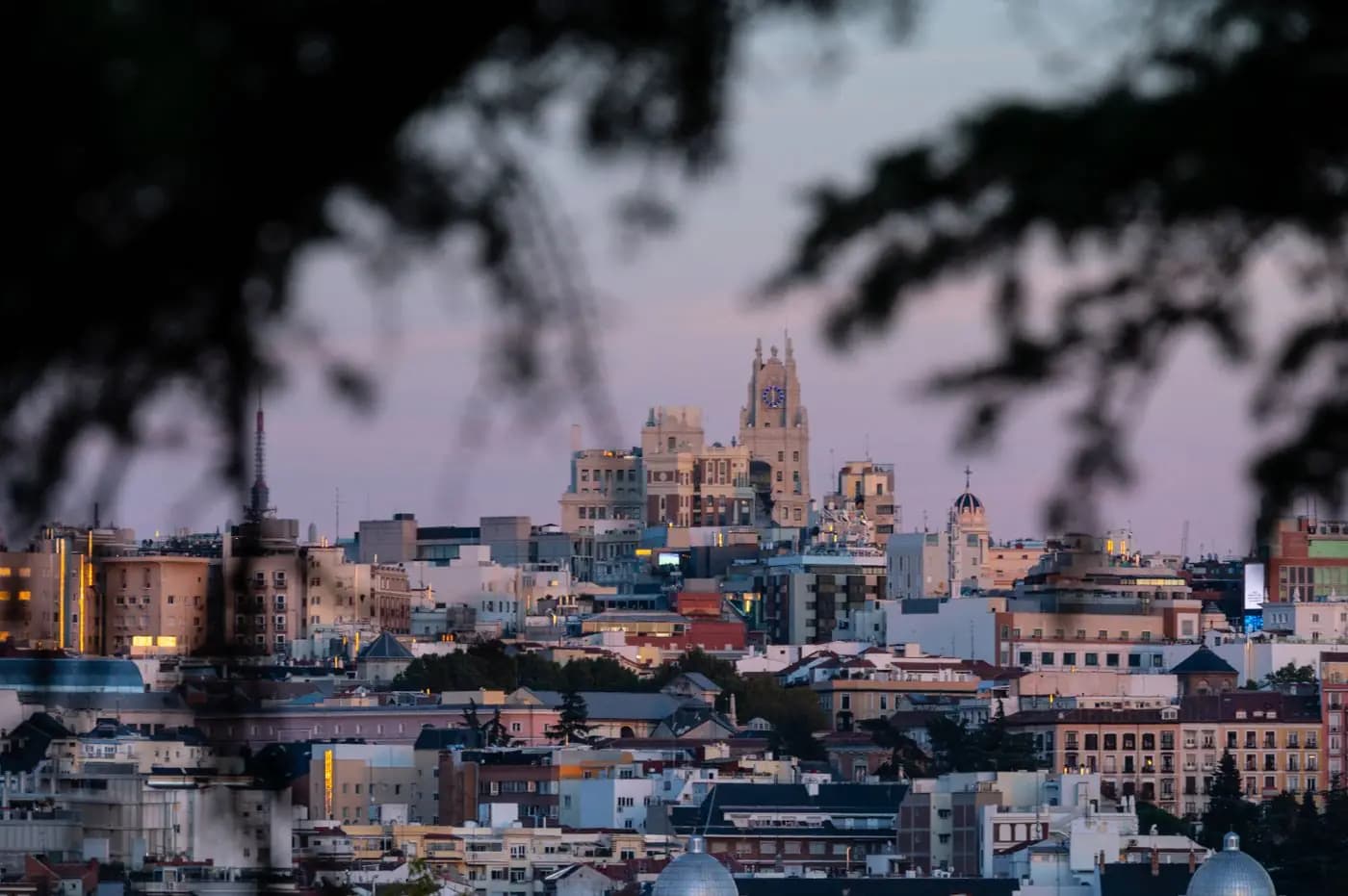
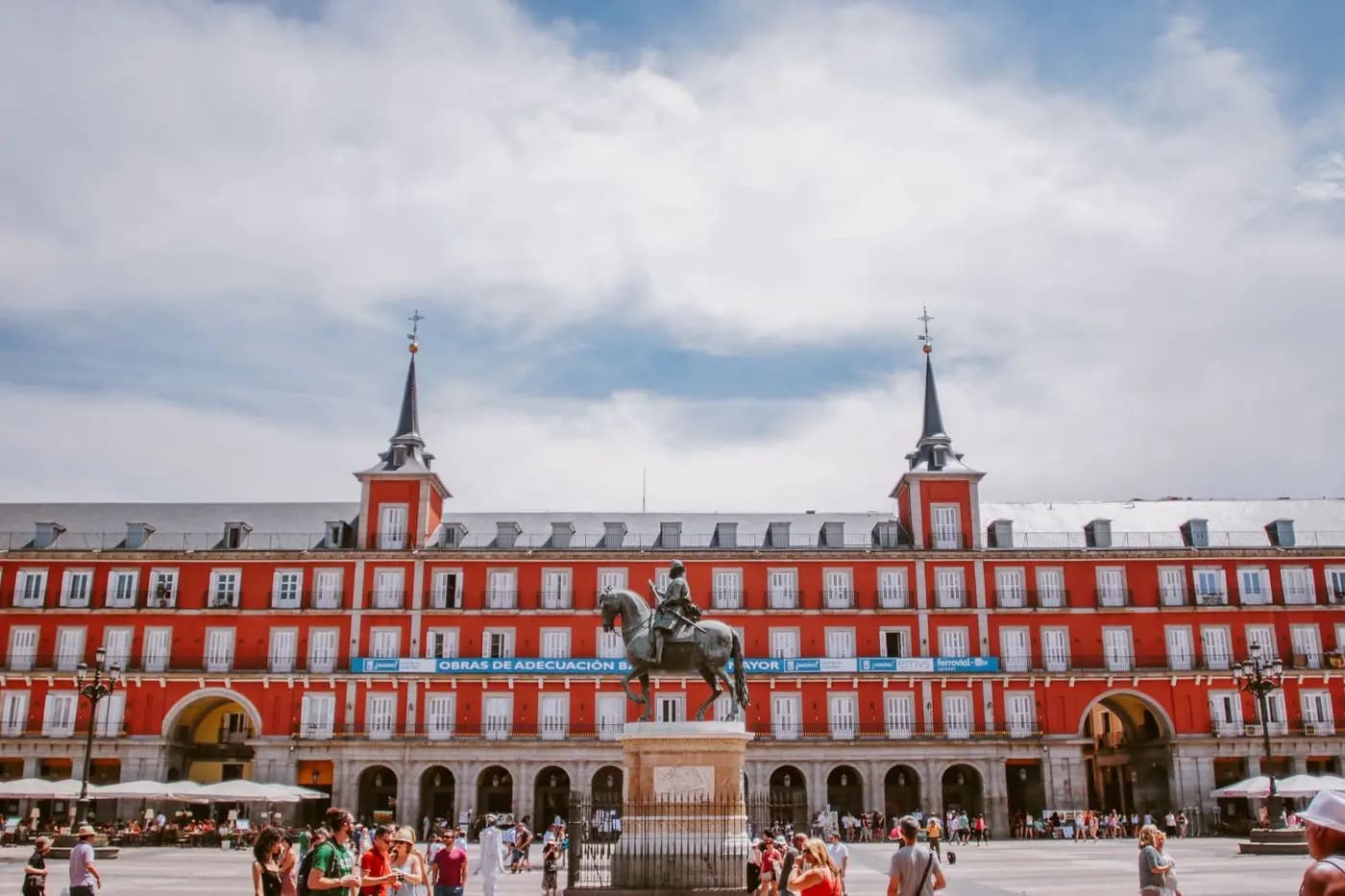
If you gather your team every year, or several times a year, ease of repetition matters. Spain has the advantage of offering several cities a short flight from one another, letting you change the setting without changing the logistics.
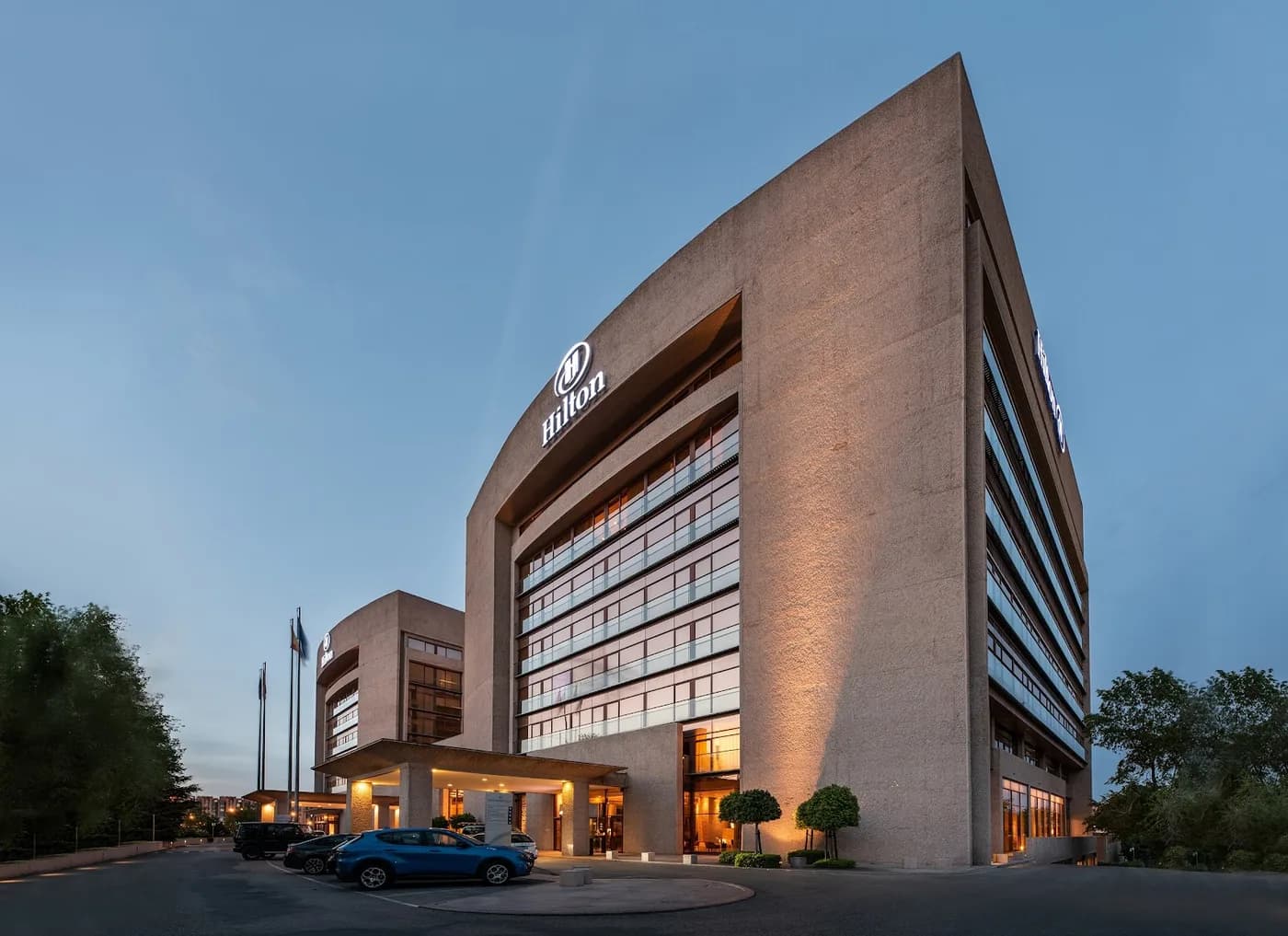
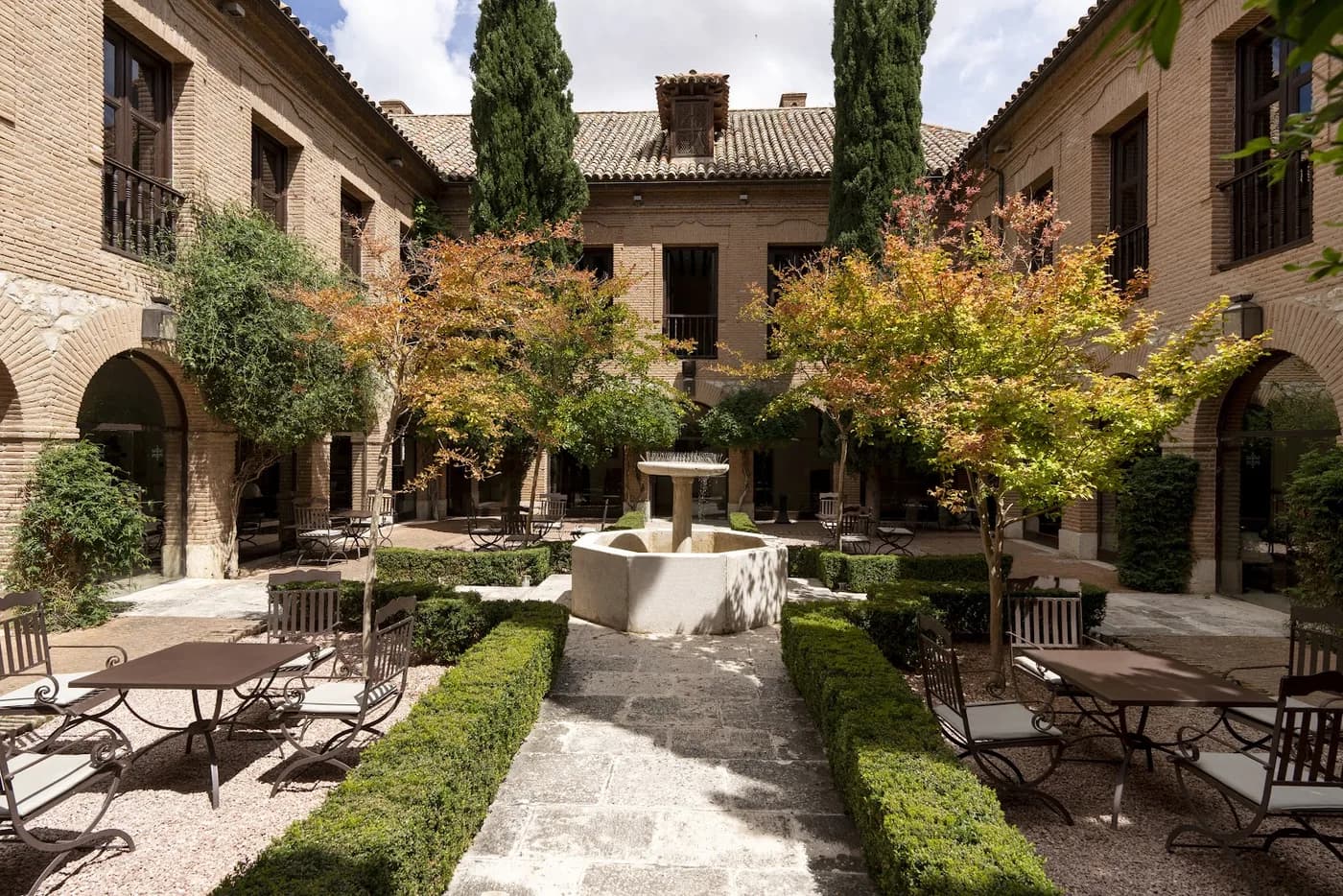
- Madrid: the Hilton Madrid Airport is about 5 minutes from Barajas and IFEMA, with about 1,700 m² of meeting space. For a calmer retreat, the Parador de Chinchón occupies a 15th-century monastery.
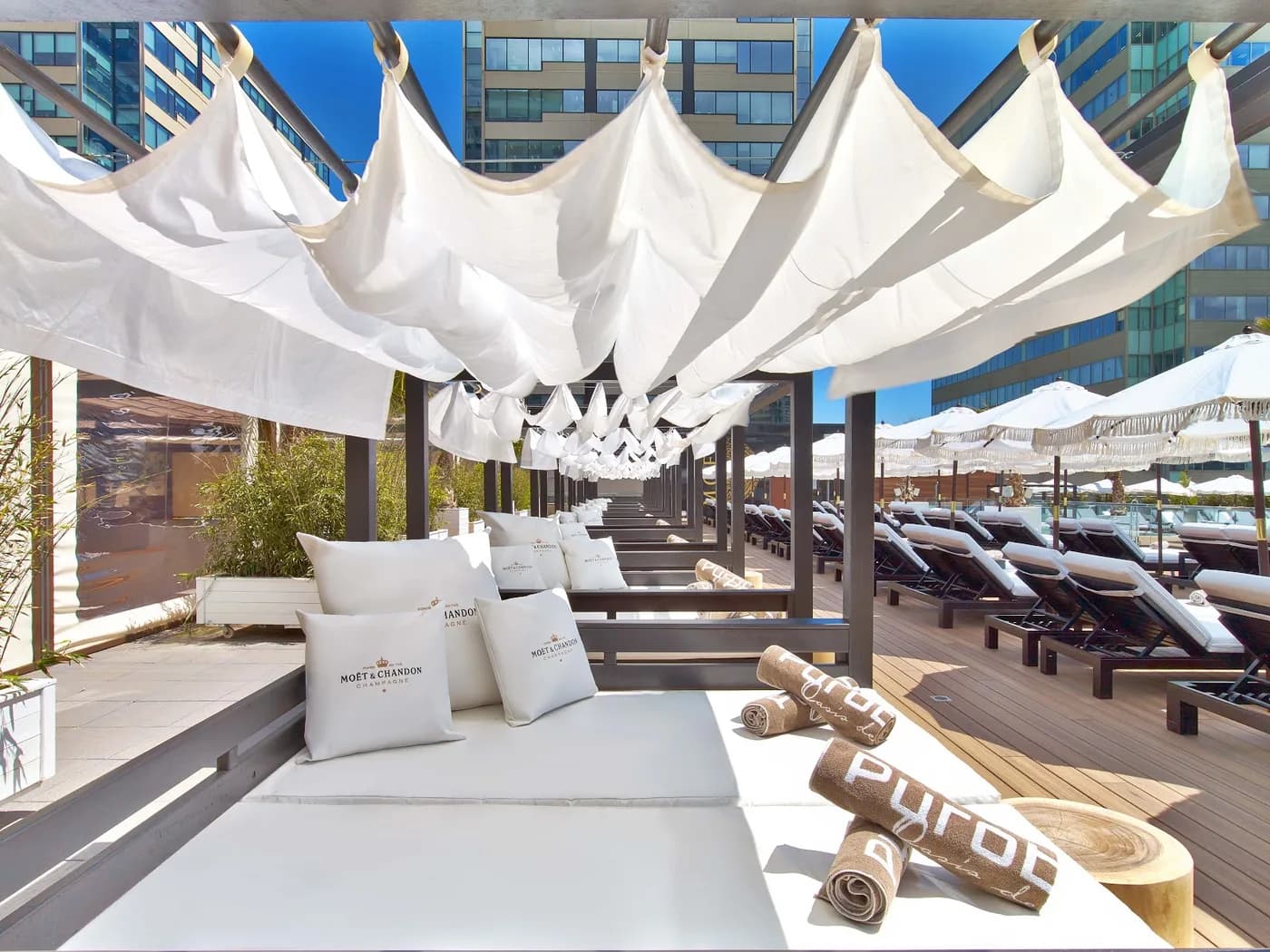
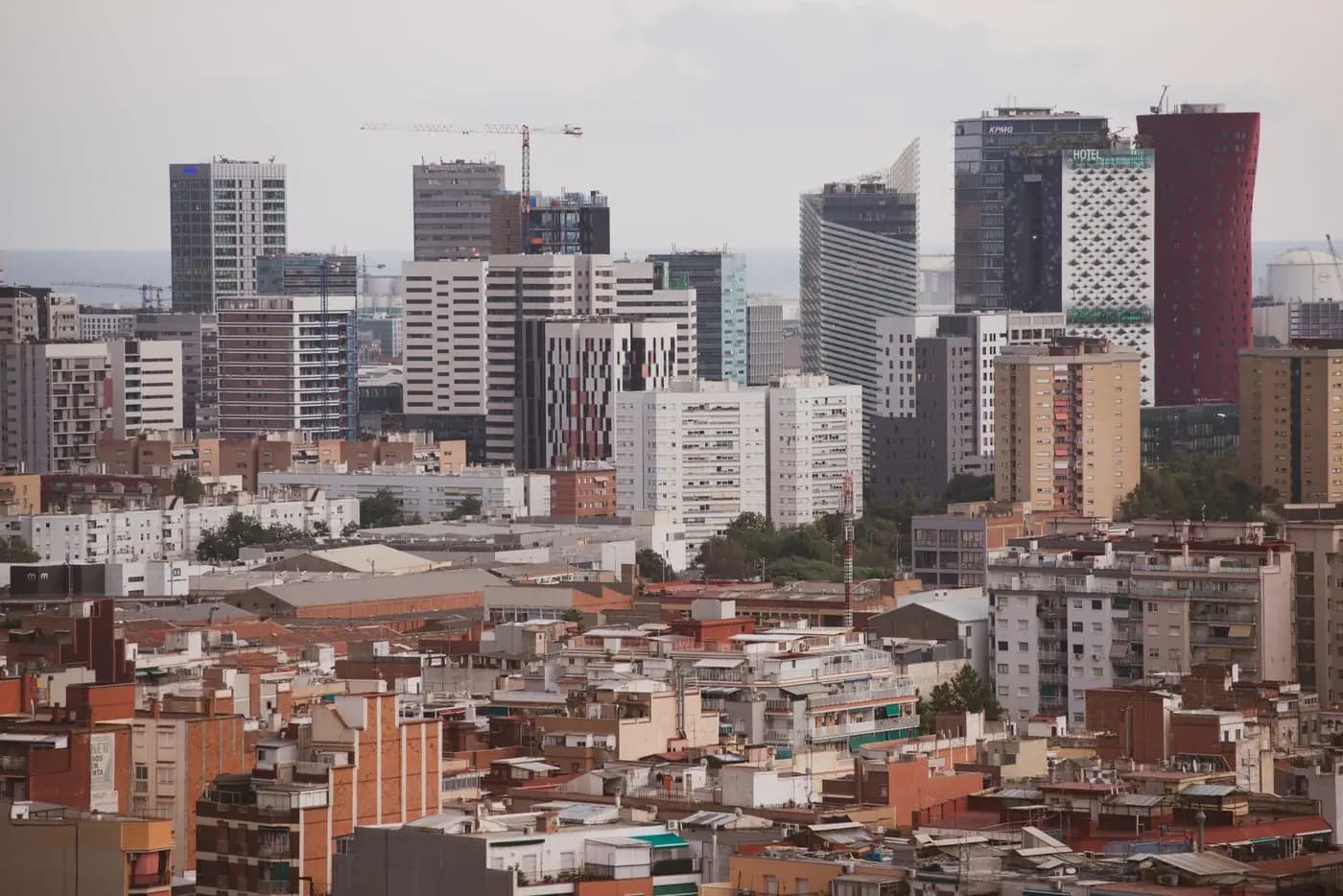
- Barcelona: the Hilton Diagonal Mar has 433 rooms, 22 meeting rooms and a large 1,001 m² ballroom, all on one site.
Solara DMC can propose alternating destinations from one year to the next, keeping the same method and the same contacts. Ask us about availability for your next event.
Frequently asked questions
Is once a year enough for a fully remote team?
Many distributed companies work with one big annual gathering, like Automattic or GitLab. If your team hires quickly or has important decisions to take together, a second, more targeted meeting can help.
Are two retreats a year too many?
Zapier holds two a year, in winter and in summer. That rhythm assumes good preparation and a format that is kind to families, with an optional free day.
Should everyone meet, or just some teams?
They meet different needs: the company-wide event serves alignment and culture, team meetings serve deep work. Doist combines both.
How far ahead should we plan?
At Automattic preparation starts about a year before the event. For Spain, send us your dates and we will come back to you with availability.
Solara DMC · Updated
Sources
- Distributed.blog, « Inside the Grand Meetup » (Automattic)
- GitLab, article « How we scaled our summits »
- GitLab, handbook : Summits et Contributes précédents
- Zapier, comment organiser une retraite d'entreprise à distance
- Doist, handbook : chronologie des retraites
- Buffer, rapport investisseurs T1 2017 (retraite de Madrid)