Why meet in person when you work remotely all year
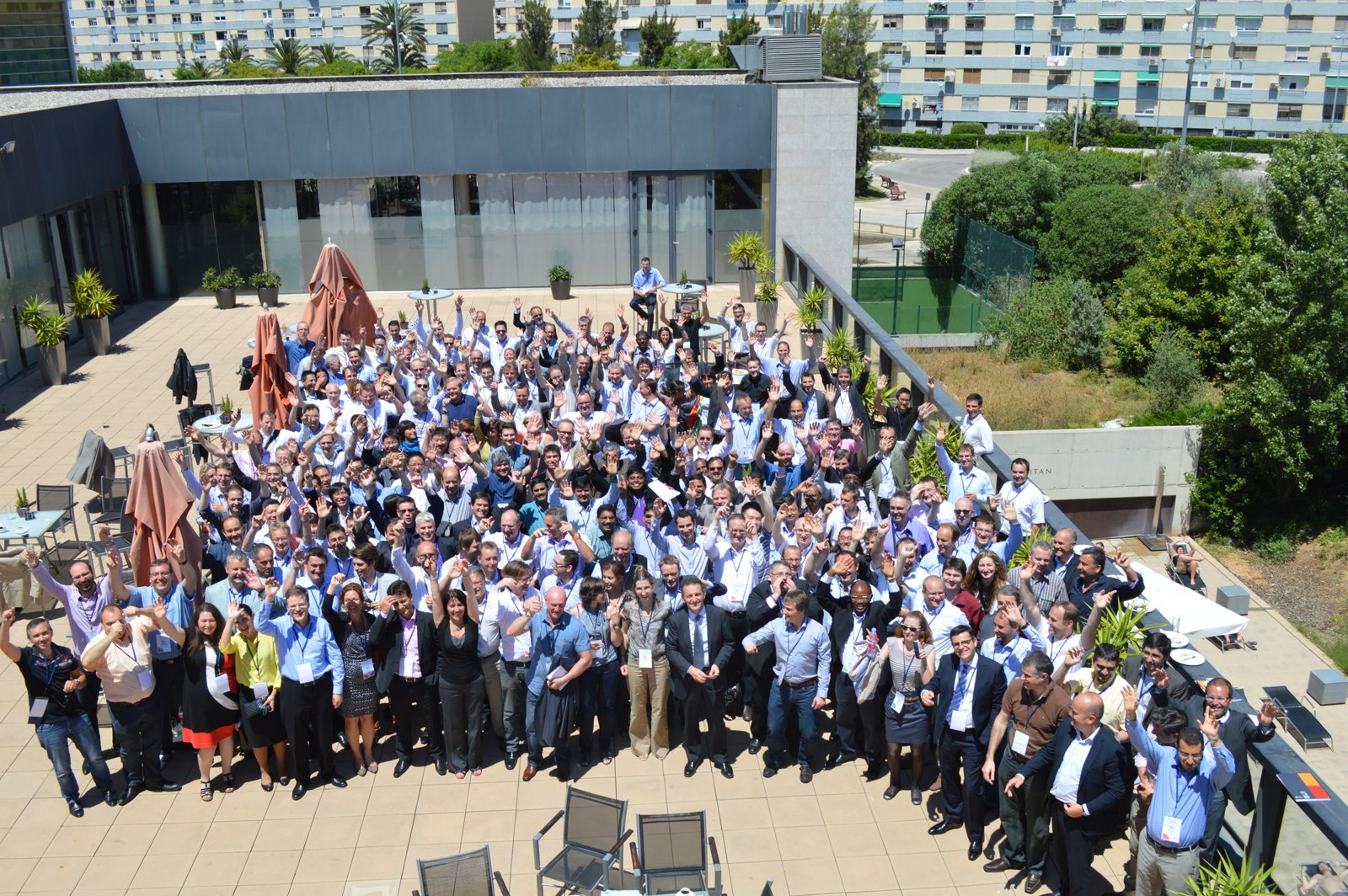
Meeting in person is not a perk for a fully remote company: it is a management tool. GitLab, which describes itself as all-remote, explains in its public handbook that its company-wide event aims to build trust through social connections, in the hope of higher motivation, productivity and retention. Doist, the company behind Todoist, writes that its annual retreat is an essential investment in company culture that pays dividends throughout the year in how people work together.
At Automattic, the Jetpack team describes the yearly Grand Meetup week as an in-person experience that remains incredibly powerful, even though remote collaboration works well for the rest of the year.
These statements are intentions and lived experience, not hard proof. What they tell us is simple: these companies do not meet to do what they already do very well on a video call.
What is worth doing in person
Public practices converge around a handful of formats.
- Open sessions rather than presentations. Zapier replaced its hackathons with unconferences: 40-minute sessions with a facilitator and a note-taker, with topics suggested in advance. GitLab mixes general sessions, divisional sessions, unconference, excursions and social time.
- A company-wide moment of alignment. At Basecamp, the week opens with an all-hands meeting on Monday morning, followed by short talks and peer appreciation.
- Time between teams that rarely cross paths. Meals, outings and team dinners do the real work: GitLab cites departmental happy hours and team dinners as ways to build bonds.
- One-to-one conversations. Basecamp leaves room for managers to meet each person individually.
These are also moments to welcome newcomers: GitLab encourages recent hires to attend, and some start their very first day during the event.
What is better left out
The same companies also talk about their mistakes, which is valuable.
- Replaying the usual week. Zapier says it plainly: it is easy to do what you always do, and that is a missed opportunity. Beau Lebens, of Automattic, describes the opposite habit of consciously pausing day-to-day work during meetups.
- Pairing the gathering with a conference. After feedback that people were tired and scattered, Zapier stopped combining its retreat with a conference.
- Putting all your eggs in the meetup basket. Beau Lebens also admits his team had put all its eggs in the meetup basket, and that other rituals are needed to bridge the gap between gatherings.
- Scheduling every hour. Intensive days, up to around sixteen hours together by his account, are tiring. Basecamp, by contrast, keeps open slots where people can stroll, have a coffee or work in small groups.
- Neglecting arrival. Zapier brings the organising team and international travellers in a day early, partly to prepare the venue and keep customer support covered during travel.
A simple rule follows: for each slot in the programme, ask whether it could have been done on a video call. If so, cut it.
How long and how often
There is no universal format, but public examples give useful reference points.
- Zapier runs two company retreats a year, one in winter and one in summer: four full days, one more relaxed optional day, bookended by two travel days.
- Basecamp brings the whole company together twice a year for a week, in a different city each time: most people arrive on Sunday, meetings run Monday to Thursday, and everyone travels home on Friday.
- GitLab aims for one major company gathering roughly every year, over a week, with a host city chosen partly on transport cost and ease of obtaining visas.
- Doist combines an annual whole-company retreat, in a new place each year, with team-level mini-retreats, weeks of focused in-person collaboration.
For a smaller team, four to five days a year, with a shorter slot for a leadership group, is a reasonable starting point. With participants travelling from far away, more days help absorb the journey.
Why Spain suits this kind of gathering
Several well-known remote companies have already chosen Spain. Basecamp met in Barcelona in 2023. Doist held its annual retreat in Menorca in 2015, and its public pages also list team mini-retreats in Seville and Barcelona.
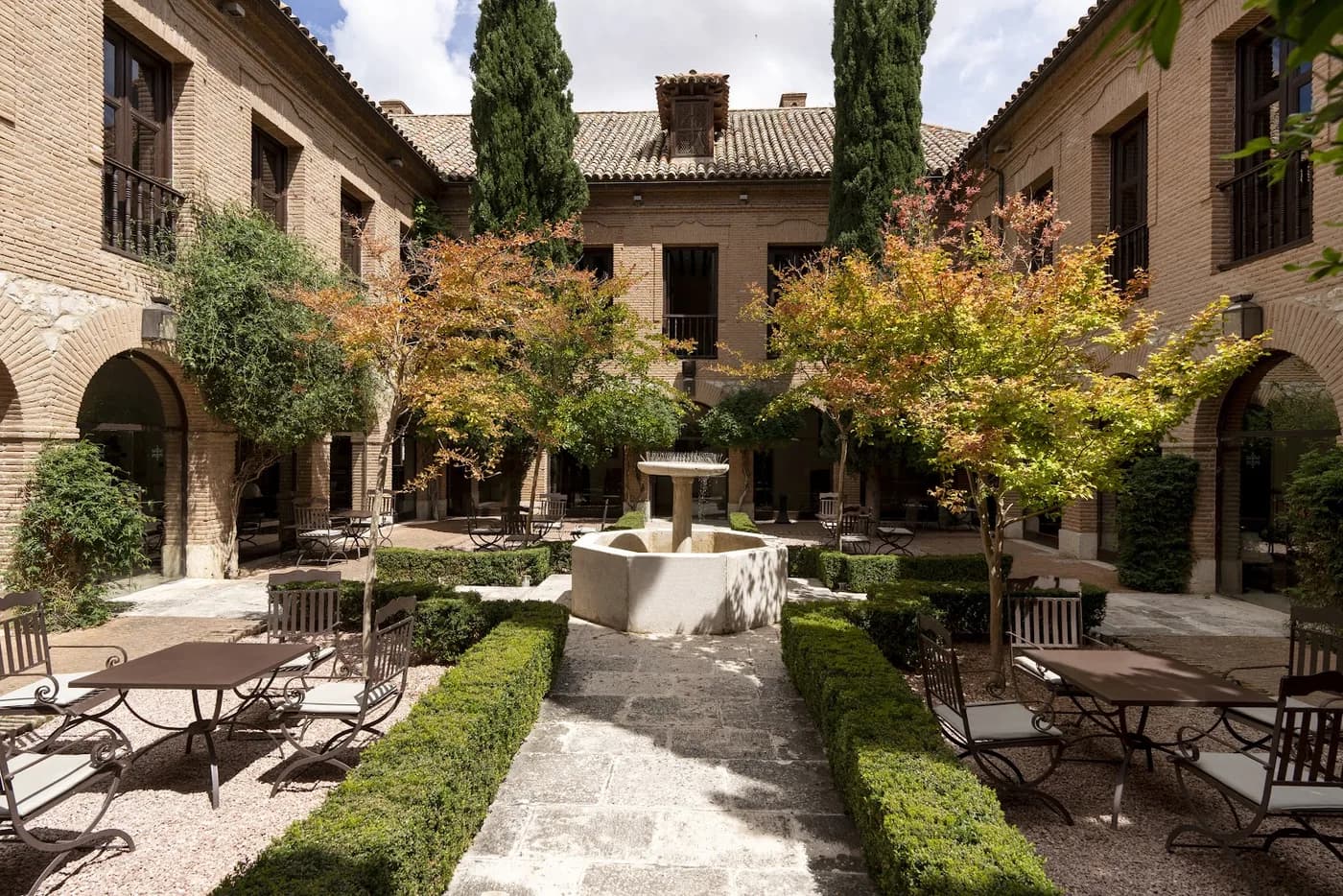
For a distributed team the advantages are practical: large air hubs in Madrid and Barcelona, time zones close to the rest of Europe for European participants, and a wide choice of venues to alternate working time and time together. A seminar in a monastery parador, a tapas evening in the La Latina district, a cooking class or a wine tasting are all formats that get people talking.
Solara DMC, a destination management company for Spain, builds this kind of stay: choice of city, accommodation, working rooms, restaurants, activities and transfers. Write to us with your dates: we will come back to you with availability.
Frequently asked questions
How often should a fully remote team meet in person?
There is no rule. Zapier and Basecamp meet twice a year, while GitLab and Doist hold a whole-company gathering roughly once a year, with team-level meetings at Doist too. The right rhythm depends on team size, distance and how easily people can travel.
Should the programme include free time?
Yes. Basecamp describes its meet-up as intentionally loosely structured, with only a few shared fixtures. Free time lets conversations start between people who do not speak day to day.
Should the offsite be combined with a conference or external event?
Zapier dropped this after feedback that attendees were tired and scattered. Keeping the gathering centred on the team leaves more room for conversation between colleagues.
Can Solara DMC organise a gathering for a distributed team?
Yes: we handle accommodation, rooms, restaurants, activities and transfers in Spain. Ask us about availability for your next event.
Solara DMC · Updated
Sources
- GitLab, How we double the GitLab summit every year (2019)
- GitLab Handbook, GitLab Summit
- Zapier, How to run a company retreat for a remote team
- Basecamp Handbook, Our rituals
- Doist / Todoist Handbook, Retreats timeline
- Jetpack, Making Jetpack a stronger team (Automattic Grand Meetup)
- Range, Beau Lebens on distributed team meetups