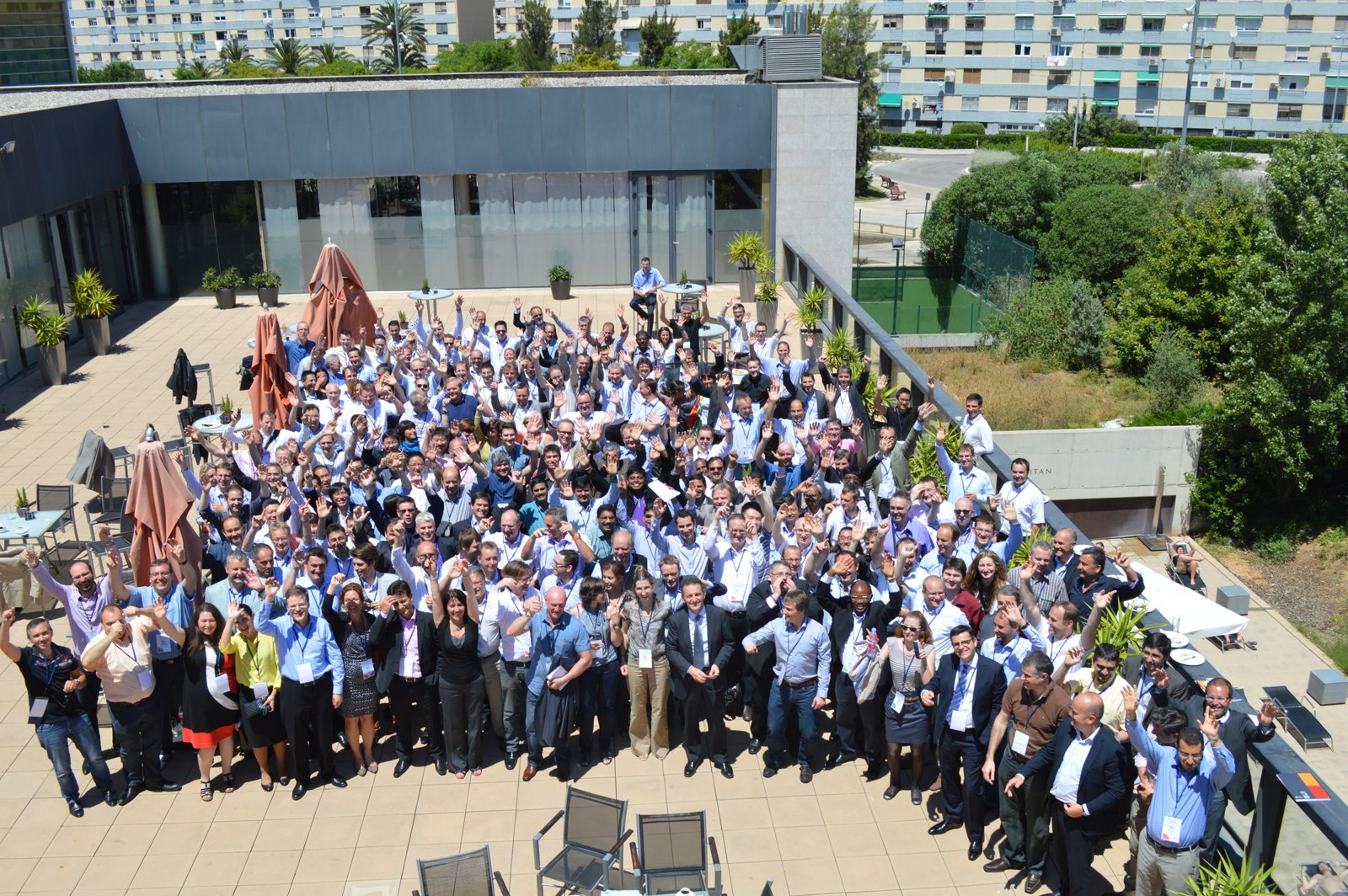
Why bring remote company new hires together
Fully remote companies have built highly structured remote welcome paths. GitLab, for example, publicly documents an asynchronous onboarding: all tasks live in a GitLab issue with a 30-day deadline, the first two weeks at least go on general onboarding, and the third on team-specific training. Each newcomer has an onboarding buddy named by their manager, who reaches out from day one, ideally for a video coffee chat at the end of the day.
This setup is effective for learning tools and rules. It leaves a gap, though: you can know a colleague for months without ever having met. Automattic's Matt Mullenweg puts it this way about the Grand Meetup: seeing each other in person lets you meet the people behind the avatars and helps you read written messages.
That is where in-person comes in: not to replace remote onboarding, but to anchor it in real relationships within the first weeks.
What fully remote companies do, from their public sources
- Zapier: in an interview published on the Stack Overflow Blog in 2017, the company describes its "AirBnOnboarding": the new hire travels to the Bay Area and spends a week in an Airbnb with the leadership and their manager. It quickly shows the company's culture, notably the idea that anyone can talk to anyone, including the CEO. This is a dated description: check with the company whether the practice has changed. Zapier also brings the whole team together at retreats.
- GitLab: the company says it recognises the value of in-person interactions and combines meetups between nearby colleagues with Contribute events for the whole company, while documenting an asynchronous onboarding with a buddy.
- Automattic: the company brings nearly all employees together each year at the Grand Meetup, and tracks new hires in cohorts through its onboarding, with a team buddy as guide, according to a Donut article about its process.
What they share: none waits for the hire to be "established" before connecting them with real people. The formats differ (a week with a few people at Zapier, a large annual event at Automattic and GitLab), but the principle is the same: in person complements the written word.
Cohorts: when, and with how many people
The annual event is useful but arrives late: someone hired in March may wait until autumn to meet colleagues. The onboarding cohort fixes that gap.
When: between the second and third month is a good guide. The hire already knows their tools and teams on video, has specific questions and can get the most out of it.
How many: a cohort of 10 to 30 people lets everyone spend time with each other. Beyond that you drift back into a mass event where newcomers stay in the shadows.
Mix: bring together newcomers from several teams, plus a few longer-serving colleagues acting as guides, rather than an isolated group of recruits. Guides can be drawn from managers and onboarding buddies.
Length: two to three days on site are enough, plus an arrival day, since the cohort does not need a full seminar. A quarterly or half-yearly cadence avoids multiplying trips.
A three-day format: what works
Day 1: welcome and vision. A welcome dinner the evening before, then a morning with leadership: company history, strategy, open questions. In the afternoon, one-to-one or small-group meetings between hires and longer-serving colleagues, such as a market coffee or a neighbourhood walk.
Day 2: working with your manager and team. A morning per team (or function) to define the 90-day goals, introduce key contacts and clarify how things work. In the afternoon, a collective activity where nobody is an expert: a cooking class, a guided visit, a tasting. In the evening, dinner on your own or in small groups.
Day 3: anchor and depart. A circle debrief, a Q&A with leadership, then a farewell lunch. Each hire leaves with a list of people to contact within the week.
For the venue, a seminar hotel in a well-served city is enough: Madrid, Barcelona or Valencia, depending on where the hires come from.
The role of managers and measuring what matters
In a remote onboarding like GitLab's, naming the onboarding buddy is the manager's responsibility. In person, their role widens: they are not just a guest of the cohort, but the person who gives the meetings meaning.
- Before: they explain to the hire what they will experience and who they absolutely should speak with.
- During: they attend the team workshops, introduce the hire to key people and set the 90-day goals.
- After: in the following weeks they check that the connections carry on over video, and adjust follow-ups.
To tell whether the format works, do not count smiles. Ask the hire, a month later, who they have contacted spontaneously since the meeting and whether they better understand what is expected of them. Zapier's feedback surveys after each retreat are a good model.
If you are preparing this kind of meeting in Spain: Send us your dates and we will come back to you with availability.
Frequently asked questions
Should we gather every hire or only some?
Ideally a regular cohort welcomes all the hires from a period without leaving certain profiles out. If time is tight, start with the functions where cross-team collaboration is strongest.
What about people who cannot travel?
Plan a remote alternative (video workshops, a dedicated buddy) and offer the next session. In-person should not become an implicit condition for success.
Why Spain for this kind of meeting?
For accessibility from Europe and beyond (Spanish airports handled over 309 million passengers in 2024 according to Aena), the quality of seminar hotels and a food culture that makes meeting easy.
How do we start planning?
Send us your dates and we will come back to you with availability. Include the number of hires, the countries they travel from and your preferred month.
Solara DMC · Updated
Sources
- Stack Overflow Blog : Zapier, employeur de référence du travail à distance (2017)
- Zapier : comment organiser un retreat d'entreprise pour une équipe remote
- GitLab : participer aux meetups GitLab (culture all-remote et événements Contribute)
- Manuel GitLab : accueil des nouveaux arrivants (onboarding)
- Manuel GitLab : binômes d'accueil (onboarding buddies)
- Matt Mullenweg : l'importance de se rencontrer en personne (Automattic, 2018)
- Donut : l'onboarding d'Automattic pour une équipe 100 % remote
- Aena : les aéroports du groupe ont dépassé 369,4 millions de passagers en 2024