What is different for a fully remote company
In a fully remote company, the offsite is not an annual reward: it is where you build the trust that carries the other fifty weeks. Matt Mullenweg, founder of Automattic, writes about his company's Grand Meetup that meeting in person lets people meet "the people behind the Slack avatars" and makes written exchanges easier to read afterwards. Automattic also reports that connections made during these meetups were measurably closer afterwards.
GitLab, also fully remote, says on its own blog that it recognises "the value of in-person interactions" and brings the whole company together at its Contribute events. Zapier runs company-wide retreats which it describes itself as feeling like big reunions.
The consequence for choosing a venue is direct: your colleagues arrive from several countries and time zones, often without ever having met. The place must make travel easy, house everyone together, and offer both serious working space and effortless ways to connect.
The criteria for a good offsite destination
Zapier's public guide to running its retreats is a good starting point, since it draws on ten retreats ranging from 7 to 185 people. It lists four criteria: easy access (ideally within about two hours of a major airport), enough space for the whole company, fast Wi-Fi with breakout rooms, and activities nearby. Zapier adds that the city itself matters less than these practical points.
We add three questions that we ask every client:
- The journey: how many colleagues will have a stopover, and how many hours of time difference will they absorb?
- The workplace: can the same hotel host plenary, small-group workshops and meals without daily transfers?
- The free time: what happens in the evenings and during the half-day break, without scheduling every minute?
A team that meets once or twice a year needs logistical simplicity so that energy goes to people, not to shuttles.
Air and rail access: the first asset
According to Aena, Spanish airports handled 283,195,399 passengers in 2023, 16.2% more than in 2022 and above 2019. Madrid-Barajas saw more than 60 million passengers and Barcelona-El Prat nearly 50 million. For a team whose members fly in from Europe, the Americas or further afield, these two hubs are the simplest gateways, and several other cities (Seville, Valencia, Málaga, Palma) have their own airports.
Rail completes the picture: according to the Seat61 rail guide, the AVE links Madrid and Barcelona in about 2h30. Part of the team can land in Madrid and join another city without going back through an airport.
For an offsite this means grouped arrivals: we plan airport transfers in waves, with a welcome desk so nobody has to find their own way after a long flight.
Climate, food and seminar hotels
Spain suits an offsite outside the summer months: spring and autumn offer pleasant days to step outside between sessions, and the southern and Levante cities stay comfortable much later in the year than most European capitals. Ask us which season fits your chosen city best.
At the table, meals are already a moment of sharing: tapas to pass around, paella, late dinners on a terrace. For colleagues who never sit at the same table, it is a format that loosens conversation without effort. A cooking class or a market tour often works better than a conventional team-building game.
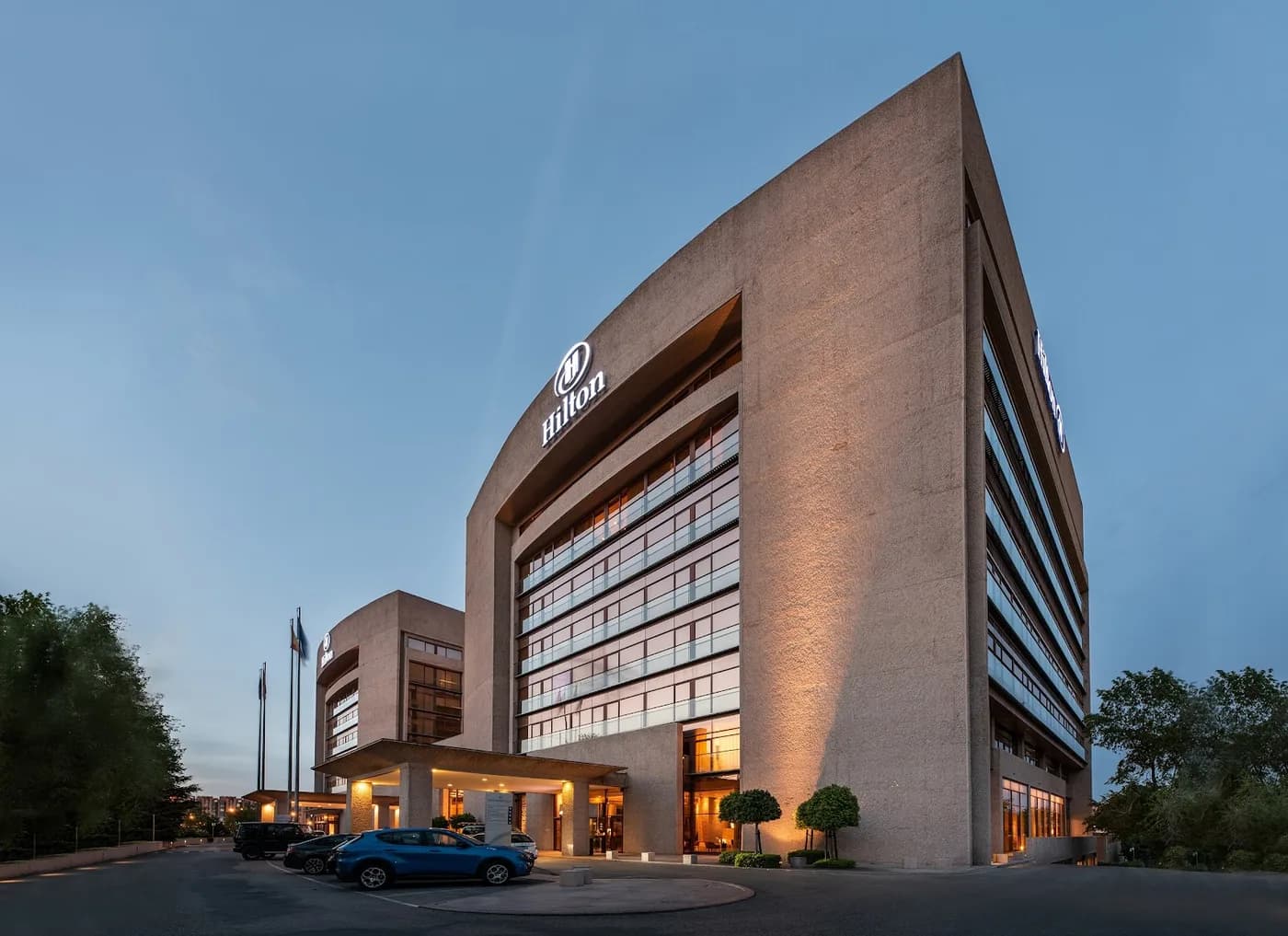
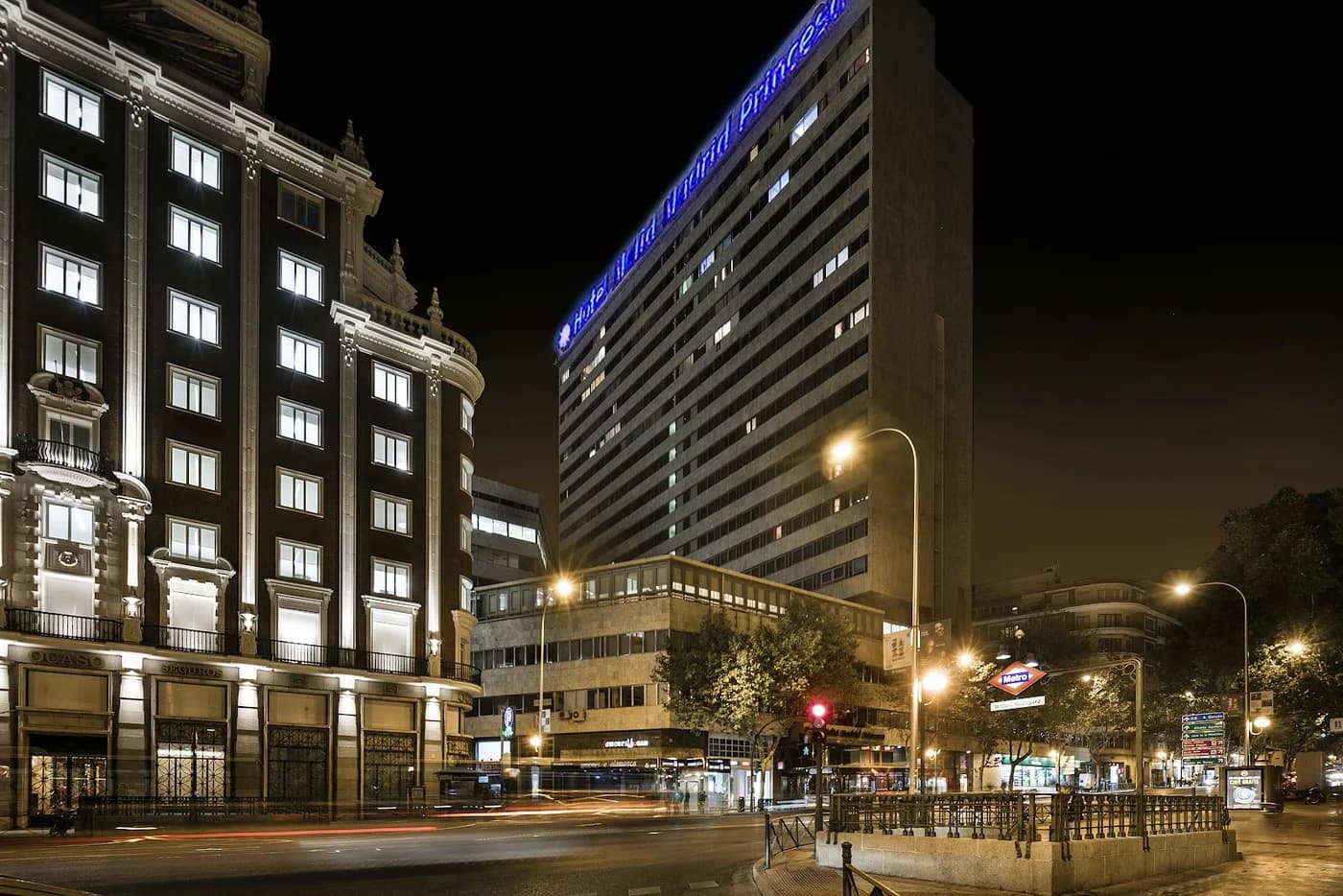
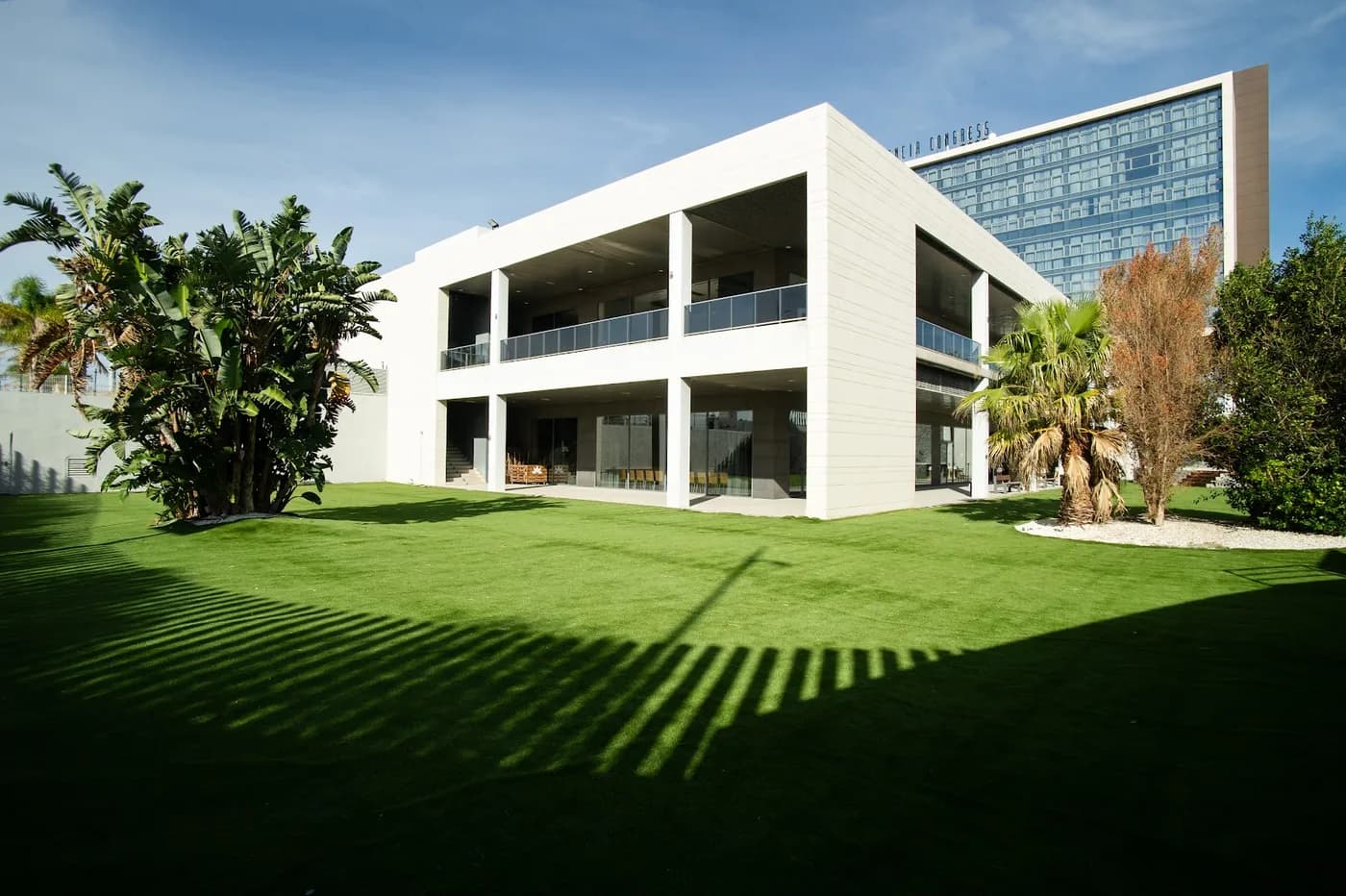
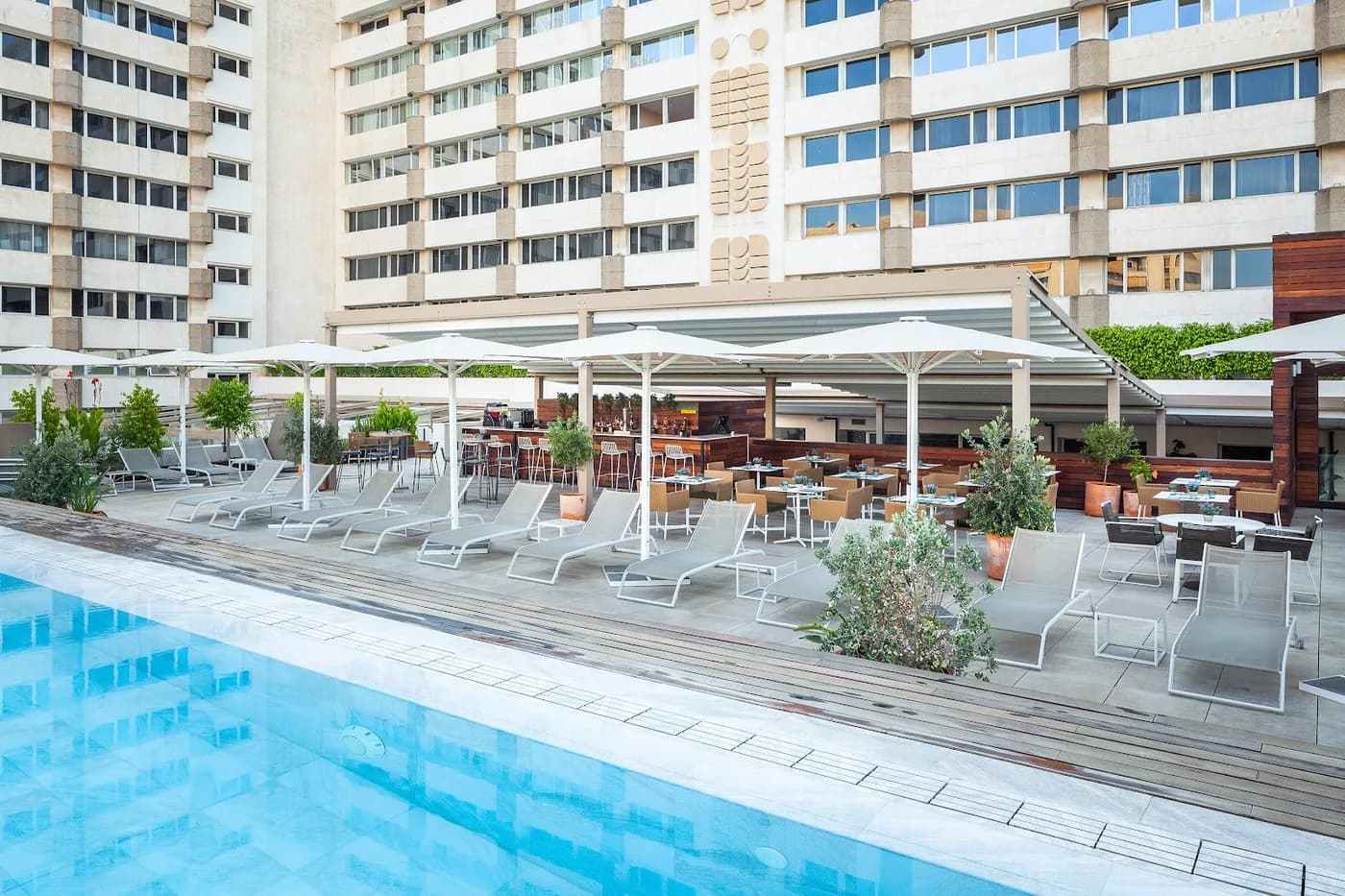
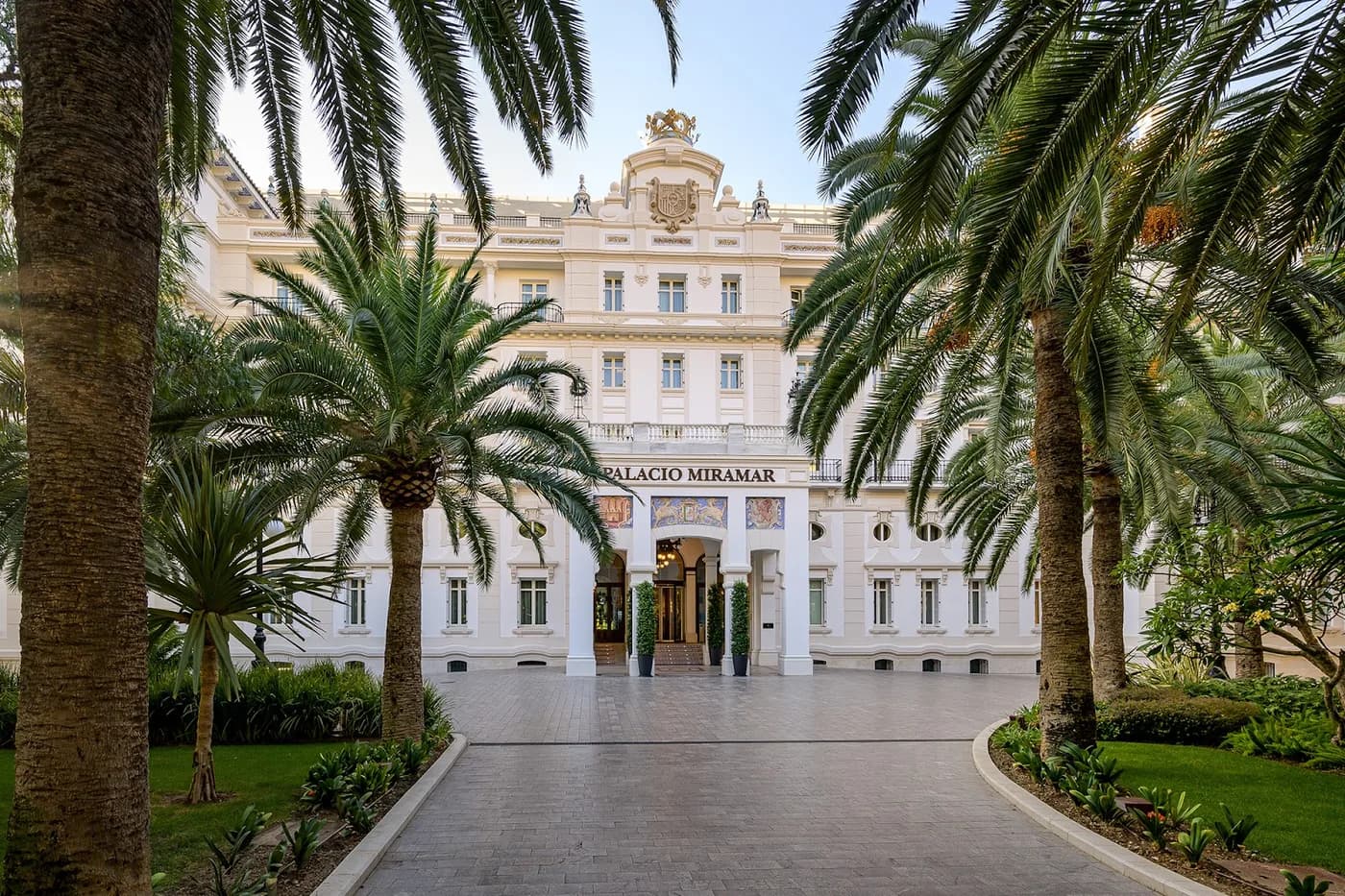
Seminar hotels are numerous and well equipped in the main cities. Among those we know well: the Hilton Madrid Airport, with its 450 sqm Isabela ballroom, practical for an arrival without a long transfer, or the Meliá Madrid Princesa, with its 600 sqm Sabatini ballroom in the centre. In Valencia, the AZZ Hotel Valencia Congress has a 690 sqm room. We define each setup directly with the hotel.
Madrid, Barcelona, Seville, Valencia, Málaga, the Balearics: which city for which team
- Madrid: the simplest choice for arrivals from everywhere, with a major airport and large rooms. Ideal for big teams and for mixing a cultural visit with working sessions.
- Barcelona: a cosmopolitan, very well-connected city that appeals to young, creative teams. The AVE links it to Madrid.
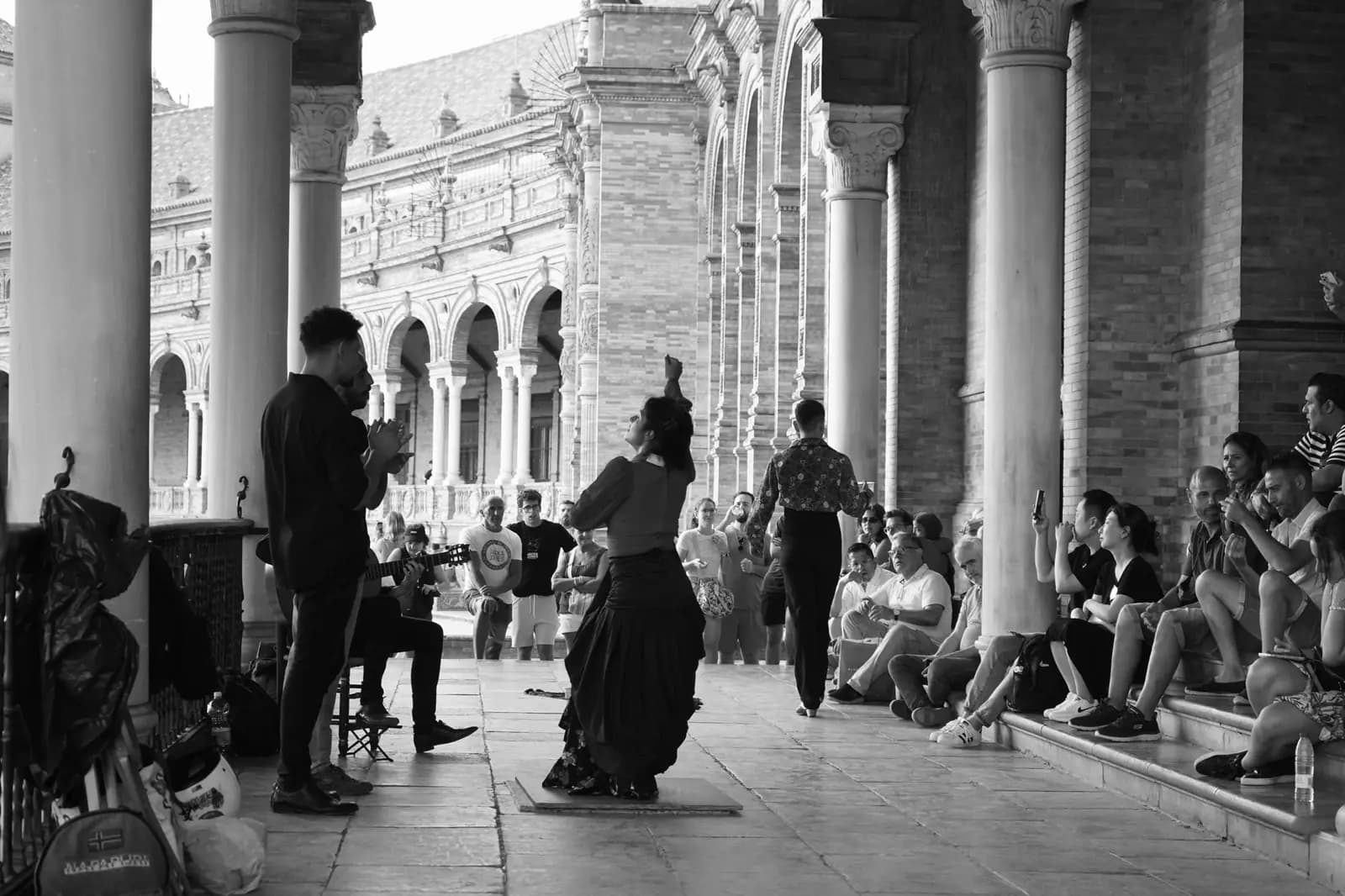
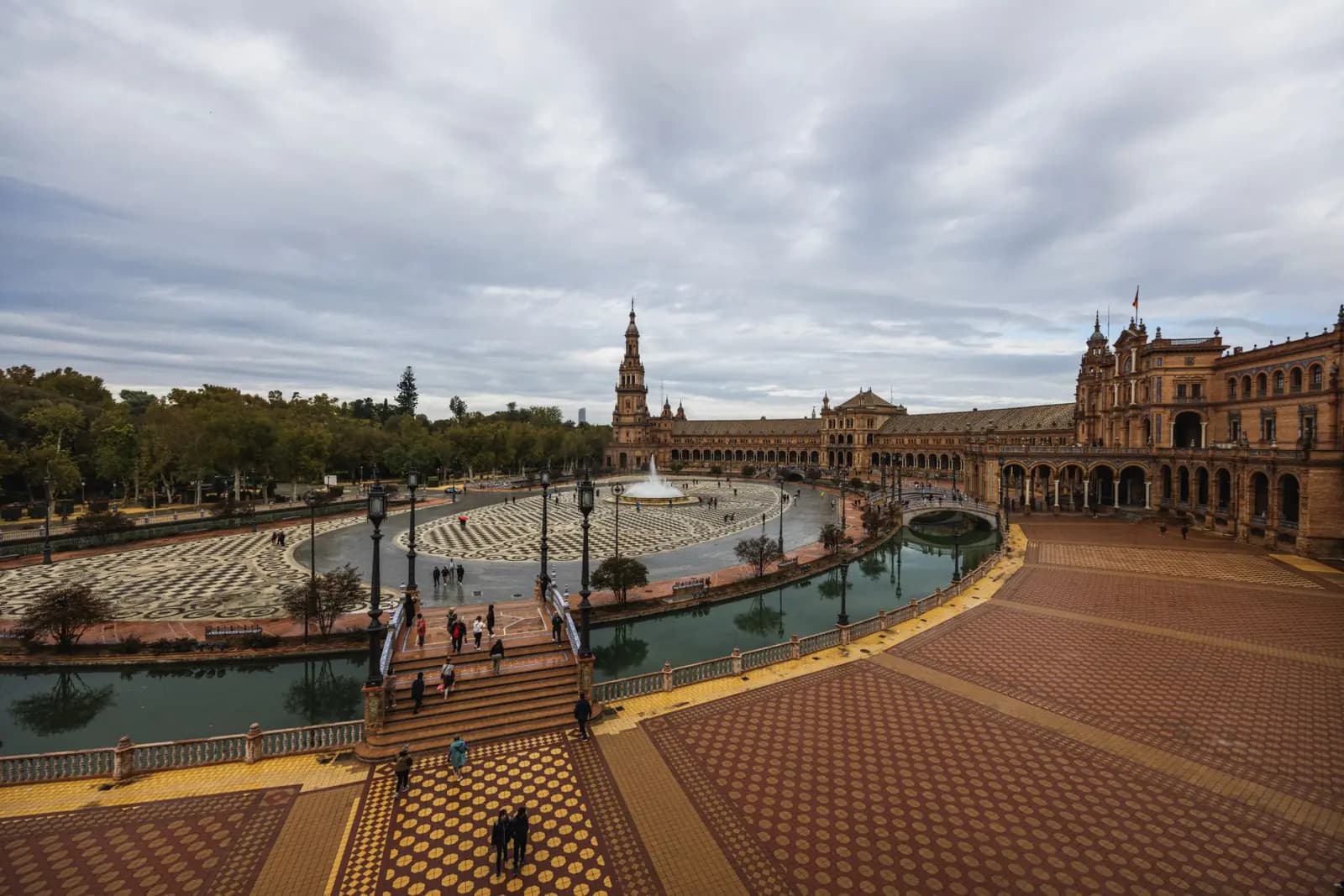
- Seville: a heritage setting and an Andalusian atmosphere that give an immediate sense of being somewhere new, with flamenco or an Alcázar visit in the evening.
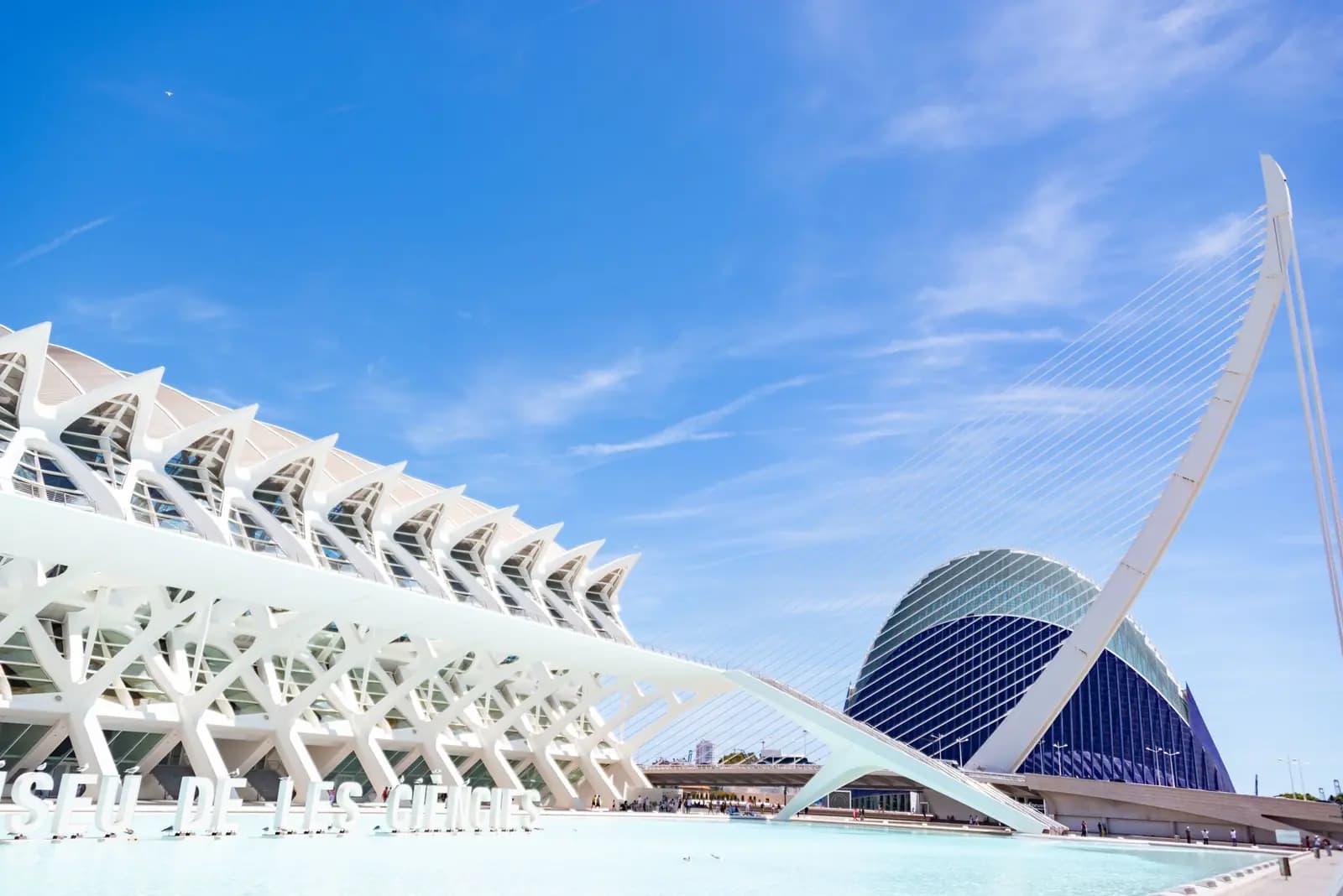
- Valencia: a human-sized city with the sea, the Albufera and cycling or boat activities; a good option for teams who like the outdoors.
- Málaga: the south, the sea and seminar hotels in the centre; easy for a team looking for mild weather and simplicity.
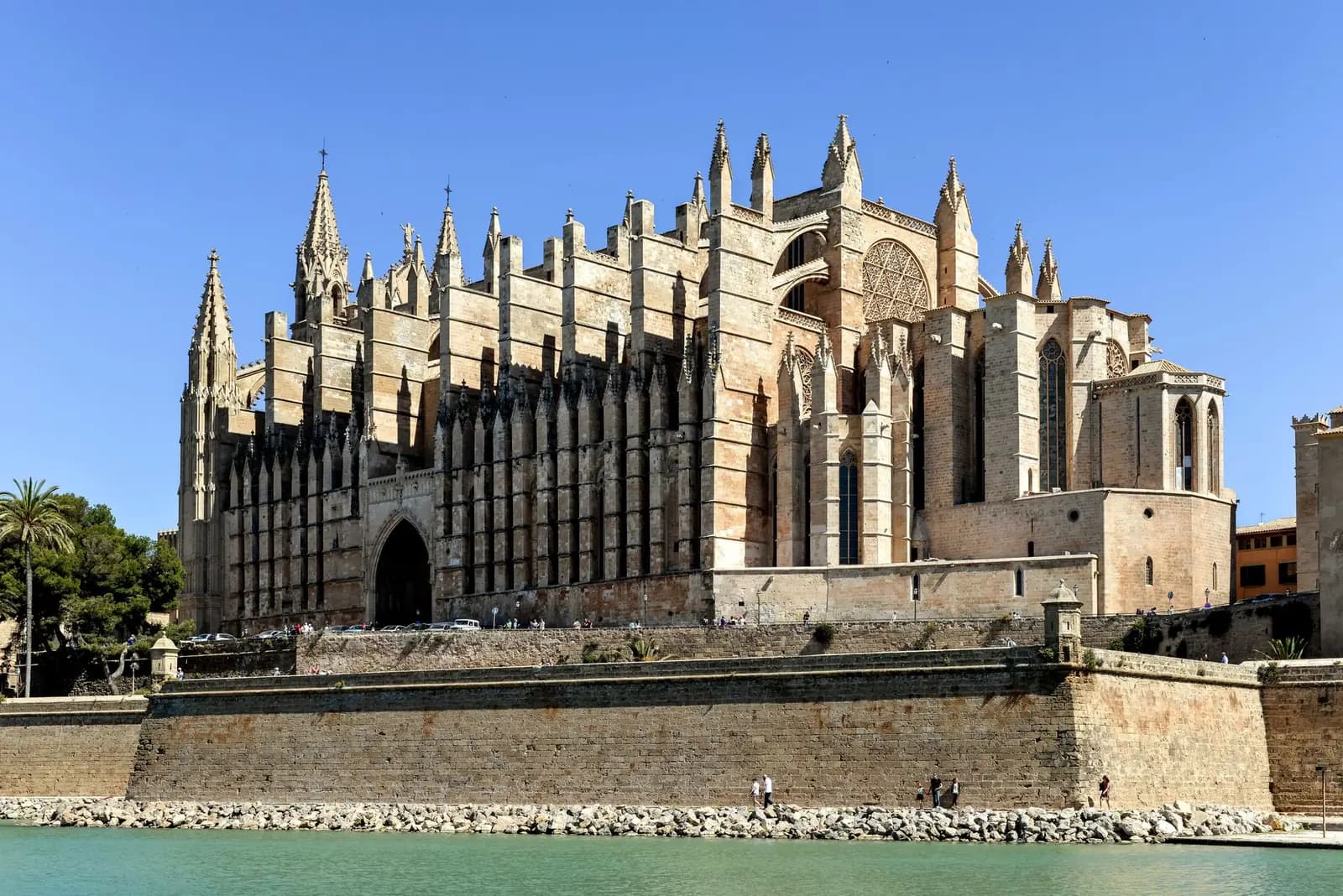
- The Balearics: Mallorca and Menorca for a more secluded offsite focused on nature and the sea. The journey is longer, but the team stays together without distractions.
These choices depend on team size, duration and season. For a four-day format, read our article on the day-by-day programme of an offsite for a remote team.
Frequently asked questions
How large a team can we host for an offsite in Spain?
From small teams of a few people to companies of several hundred, depending on the city and hotel. We define rooms and bedrooms with the hotel once we know your dates and headcount.
What is the best season for an offsite in Spain?
Spring and autumn are the most comfortable for alternating meetings and outings. For summer, favour the coast or the Balearics; for winter, southern Spain remains pleasant.
How do we handle participants arriving from several countries?
We group arrivals by time slot, organise airport transfers and arrange a welcome at the hotel. A half-day of arrival without a heavy agenda helps absorb jet lag.
How do I request a proposal?
Send us your dates and we will come back to you with availability. Tell us your headcount, the cities your people travel from and the length you have in mind.
Solara DMC · Updated
Sources
- Zapier : comment organiser un retreat d'entreprise pour une équipe remote
- Matt Mullenweg : l'importance de se rencontrer en personne (Automattic, 2018)
- GitLab : participer aux meetups GitLab (culture all-remote et événements Contribute)
- Aena : les aéroports espagnols ont dépassé 283 millions de passagers en 2023
- Seat61 : voyager en train en Espagne (AVE)